East, towards the range · Pittsworth 4356
Shipping containers Pittsworth
South-west of Toowoomba in what used to be dairy country and is now mostly grain and mixed farming. Pittsworth is a tidy small town with generous blocks and a district of family-run properties around it, and a container is a very common sight on both.
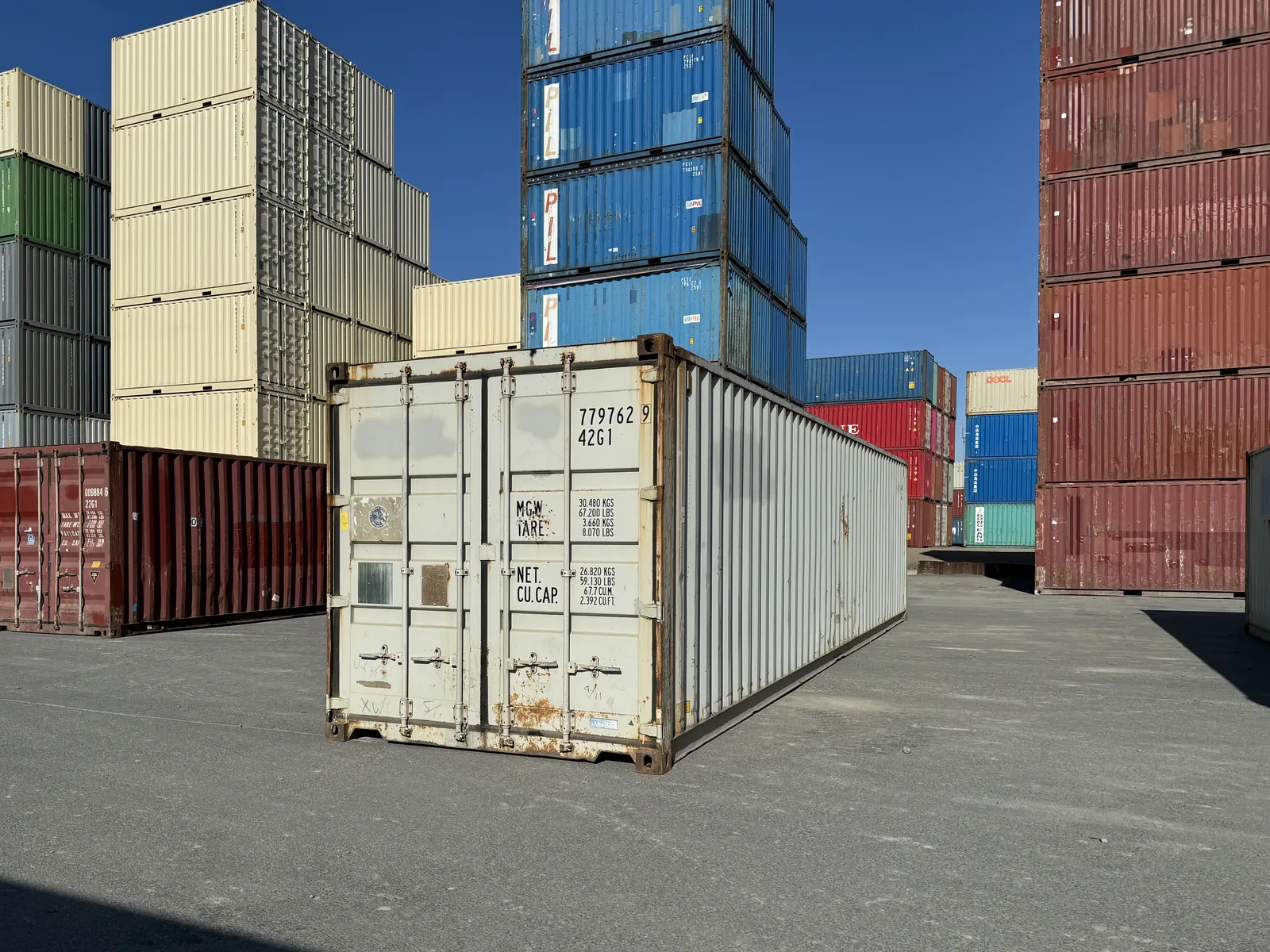
Pittsworth jobs a container takes on
Ask around Pittsworth and the answer is storage on properties running a mix of cropping and cattle, workshop overflow in town, dry secure space for people who've moved out from Toowoomba for the block, and hay and fencing gear kept away from the weather. If people will be working inside it, look at a high cube before you look at anything else.
The move-out-from-town crowd
A steady share of our Pittsworth deliveries go to people who've bought a few acres after years on a Toowoomba suburban block. The pattern is always the same: everything that was in the garage now has nowhere to live, the shed is two years away, and the mower and the trailer are sitting under a tarp getting old fast.
A 20ft solves it for a fraction of what a shed costs, and it holds resale value in a way that a tarp and good intentions do not. If a shed does eventually get built, the container either goes in it, beside it, or gets sold on for close to what it cost.
Hay, feed and the ventilation question
A container full of hay is one of the few storage jobs where sealing it up tight is exactly the wrong instinct. Baled fodder carries moisture and keeps releasing it, and in a closed steel box that moisture has nowhere to go but onto the underside of the roof and back down into the top of the stack. Mould follows, and you lose more than you saved.
The answer is airflow rather than a better seal. Louvres high at both ends, bales up on pallets or bearers rather than straight on the floor, and a gap between the stack and the walls so air can actually circulate. Done that way a container keeps fodder in better condition than an open-sided shed, because the rain and the birds stay out.
Same principle applies to bagged feed and seed. It is not the roof that ruins it, it is the air that gets trapped in with it.
What the ground does around Pittsworth
The town blocks around Pittsworth are large by anyone's standard and the streets are wide, so residential deliveries are generally simple. District deliveries are the usual Downs equation — good going when it's dry, no going at all when the black soil is wet. The other thing worth flagging out here is the last gateway: a lot of them were built to a width that suited a tractor and a trailer in about 1975, and a container overhangs a truck by enough to make that a problem. Measure the gate, not the track.
The ground checker on our delivery page takes four answers and suggests the vehicle; pictures of the gate and the spot confirm it.
Field notes for this
Questions from Pittsworth
Do you deliver around Pittsworth and the surrounding district?
Yes — Pittsworth, Southbrook, Brookstead and the country either side are a regular run for us. Freight is quoted with the container, so there's no second bill for the truck.
What do I need to have ready before delivery?
A firm level spot, four blocks or sleepers for the corner castings, and a clear approach with nothing overhead. If the gateway is old, measure the width before we load — that's the one that catches people out around here.
On the board for Pittsworth
| Unit | Cargo-worthy used, from | New single-trip, from | Hire, from |
|---|---|---|---|
| 10ft Containers | $4,350 | $6,400 | Ask |
| 20ft Containers | $2,200 | $3,300 | $27/wk |
| 40ft Containers | $2,600 | $5,500 | Ask |
Guide prices, ex GST. The delivered figure depends on which unit is on hand in the grade you want and how far the truck runs to your gate — ring (07) 4516 5999 for the actual number. Your Pittsworth quote is a delivered figure — the truck is in it.
More places we drop to
ChinchillaOakeyMilesJandowaeTaraCecil PlainsEvery delivery area
Start a Pittsworth enquiry
A few lines about the job is plenty. Photos of the gateway help if you have them.
- Size, or what has to fit inside
- Town or property name
- Gate width and the state of the ground, if you know them